
Retractable vs Magnetic Screen Door: Which Should You Choose?
Shopify APIBoth retractable and magnetic screen doors solve the same problem — keeping insects out while letting fresh air in — but they do it differently, at different price points, and with different trade-offs. Here's a direct comparison to help you choose the right one.
At a Glance
| Magnetic Screen | Retractable Screen | |
|---|---|---|
| Cost | $15–40 | $150–600+ |
| Installation | DIY, 15 minutes | Usually professional |
| Durability | 1–4 years | 5–10+ years |
| Appearance | Visible when in use | Hidden when not in use |
| Portability | Yes (renter-friendly) | No (permanent) |
| Best for | Renters, budget buyers | Homeowners, high-traffic entries |
Magnetic Screen Doors: The Case For
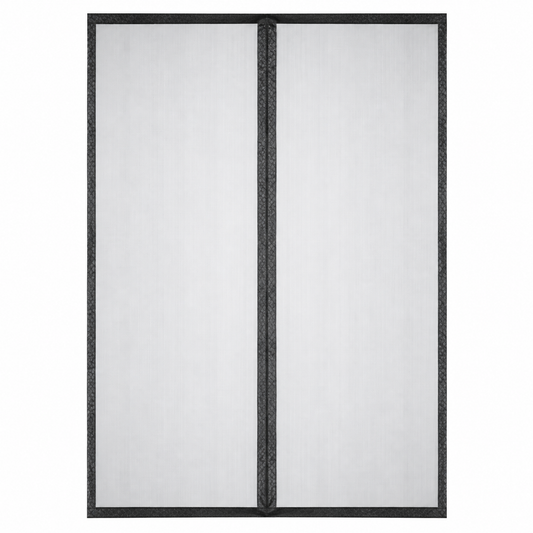
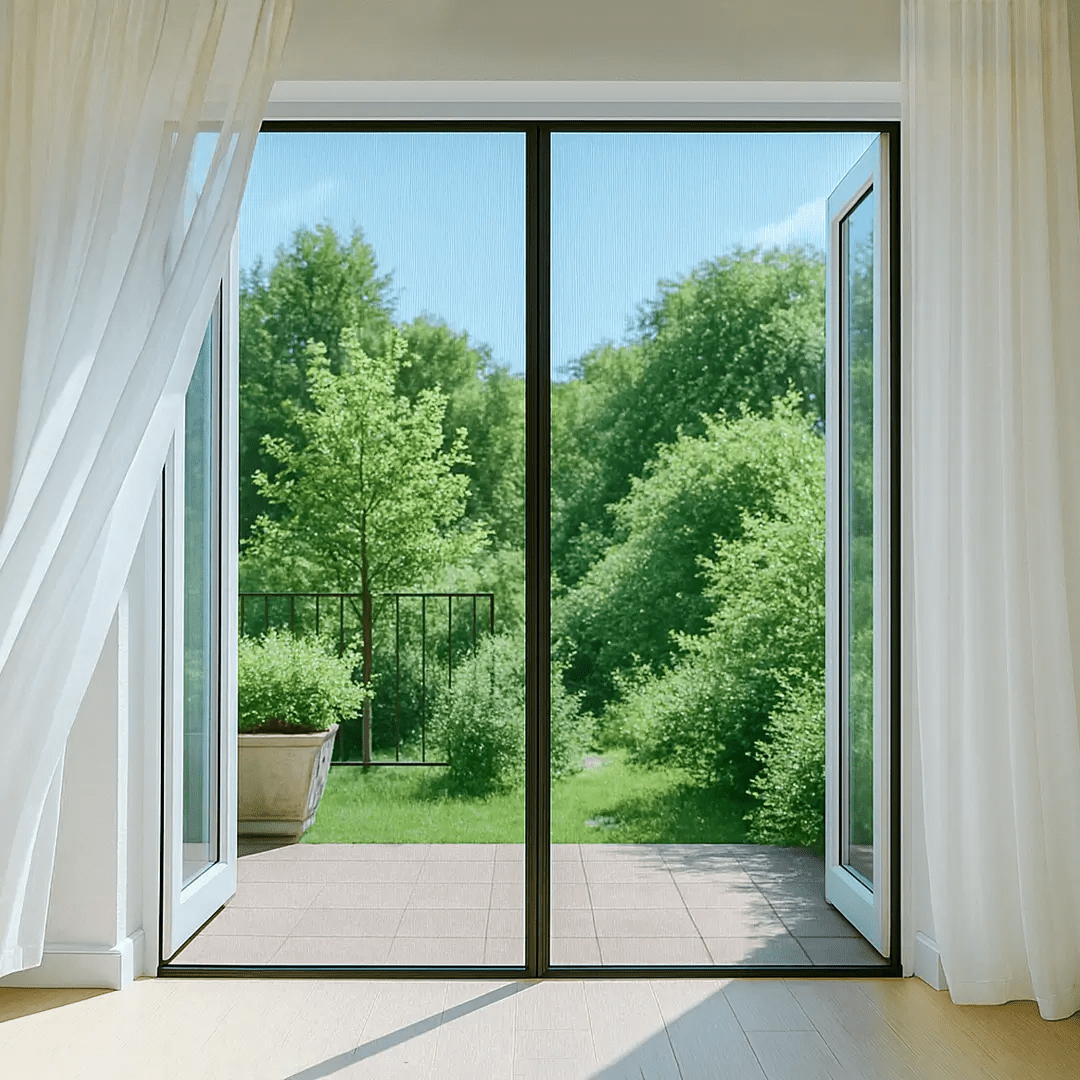
Magnetic screens attach to the door frame with hook-and-loop tape. You walk through, the magnets close behind you. No latch, no handle — hands-free every time.
The advantages are real: Installation takes 15 minutes and requires no tools. The cost is minimal. If you move, you take it with you. For a back door that gets constant use from kids and pets, the hands-free close is genuinely convenient.
Where they fall short: Durability is limited. Polyester mesh wears quickly; even fiberglass mesh models need replacing every few years. In strong wind, lighter screens billow and the seam can separate. And if the screen isn't sized correctly for your opening, edge gaps let insects through regardless of how carefully it's installed.
The sizing issue is solvable. CoverWith makes custom-fit magnetic screens to your exact door dimensions — eliminating the edge gaps that make standard off-the-shelf screens frustrating. For anyone who's had a magnetic screen fail because it didn't quite fit, this is the fix.
Retractable Screen Doors: The Case For
Retractable screens sit in a housing cassette mounted to the door frame. Pull the screen across when you want it, let it retract into the cassette when you don't. When retracted, the screen is invisible — the door looks exactly as it did before.
The advantages are clear: They look significantly better than magnetic screens. They're more durable. High-quality retractable screens from brands like Phantom, Larson, or Mirage last a decade or more with minimal maintenance. For a front entry door where appearance matters, a retractable screen is the obvious choice.
Where they fall short: Cost is substantially higher — $150–200 for basic DIY models, $400–600 or more for professionally installed premium options. The mechanism can fail over time, particularly in dusty environments. And once installed, they're a permanent fixture — not something you take when you move.
Which One Is Right for You?
Choose a magnetic screen if:
- You're renting and need a removable solution
- Budget is a priority
- You want a quick install without trades involvement
- Hands-free closure is important (pets, kids, full hands)
- The door is a secondary entry (back door, side door)
Choose a retractable screen if:
- You own your home and want a permanent solution
- The door is a main entry where appearance matters
- You're willing to invest for a 10+ year product
- You have the budget for professional installation
The in-between option: A custom-fit magnetic screen from CoverWith sits between the two categories. It's still hook-and-loop attached (removable, renter-friendly), but the precision fit and quality materials bring it closer to retractable screen performance at a fraction of the cost. Worth considering if you want a significant upgrade from a $20 Amazon screen without committing to a full retractable installation.
Top Retractable Screen Door Options
Phantom Screens — Premium Choice
Phantom is the most widely known professional retractable screen brand. Custom-made to fit any door width, installed by certified dealers. Expect $400–700+ installed. The mechanism is robust and the warranty is strong.
Larson Tradewinds — Best DIY Retractable
Larson makes one of the few retractable screens designed for DIY installation. Priced around $150–200, available at Home Depot. Not as polished as Phantom but a reasonable mid-range option for homeowners comfortable with basic installation.
Mirage — Best for Appearance
Mirage screens are designed with aesthetics as the priority. The housing cassette is slimmer than most competitors and the retraction mechanism is smooth. Premium pricing, professional installation required.
FAQ
Is a retractable screen door worth the cost? For a main entry door where you own the home and plan to stay long-term, yes. For a rental or secondary door, a quality magnetic screen is a better value.
Do retractable screen doors work well? High-quality retractable screens work very well. Lower-cost options can have mechanism issues over time. Stick to established brands (Phantom, Larson, Mirage) and avoid unbranded retractable screens.
Can a magnetic screen door be as good as a retractable? For functionality, a well-fitted custom magnetic screen is close. For appearance and longevity, retractable screens win. A CoverWith custom screen is the best magnetic option for closing the gap.
How long do retractable screen doors last? Quality retractable screens from major brands last 8–15 years. Budget versions may have mechanism issues within 3–5 years.
Which is easier to install, magnetic or retractable? Magnetic screens are significantly easier — 15 minutes, no tools, no trades. Most retractable screens require either professional installation or significant DIY skill.
Final Verdict
If you're renting, on a budget, or want hands-free convenience, a magnetic screen is the right call — get a custom-fit one if your door isn't a standard size. If you own your home, have the budget, and want a clean look that lasts a decade, a retractable screen from Phantom or Larson is worth the investment. The two products serve different needs, and neither is universally better.